
Home / Electric Tricycles / Rickshaws & Tuk Tuks
Electric Rickshaws & Tuk Tuks
"Rickshaw" and "tuk tuk" are the market names for the passenger three-wheelers in the AMOTO catalog: a 4-seater rickshaw, an enclosed taxi tuk and an open sightseeing trike.
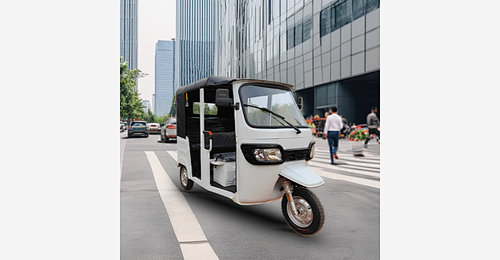
The models behind the names
The catalog's rickshaw listing is titled "4-seater electric rickshaw" and specifies its format in the title: a 48V motor, a lead-acid battery and a metal roof over four seats. The tuk listing is the enclosed passenger tricycle: 1800W, a 60/72V platform and a 3-seat enclosure, explicitly described for taxi service. The third family member, the open sightseeing tricycle at 2000W, serves the resort and scenic-area end of the same market. All three are set out with their listing data on the passenger tricycles page.
What an operator needs to settle first
- Vehicle category. Passenger three-wheelers sit in different categories in different markets; some register them with the mopeds, some as a distinct class. Your category decides which of these formats is even orderable.
- Duty cycle. Taxi duty means all-day, multi-shift running; sightseeing duty means short loops with dwell time. The charging plan differs completely, and the published catalog data does not include battery swap options for this family — ask.
- Weather. The choice between the enclosed tuk, the metal-roof rickshaw and the open sightseeing body is a climate decision before it is a price decision.
- Parts and body panels. Confirm panel and trim availability for the model at inquiry, at the start, alongside the accessories conversation.
We keep this page free of specification tables for a reason: the passenger family's catalog pages publish listing titles, not spec blocks. The honest route to numbers is the inquiry — name the format (rickshaw, enclosed tuk or sightseeing), the market and the duty, and we will return the current model data for that listing. Operators whose real need is freight with an occasional passenger should start from the cargo tricycles instead.
Rickshaw economics, honestly framed
A business case for an electric rickshaw or tuk can be framed on running cost against a petrol three-wheeler: no fuel bill, a fraction of the moving parts, and overnight charging at depot rates. This catalog cannot put numbers on that case for you — the passenger listings publish no energy-consumption or battery figures — and any payback calculation needs the model's confirmed battery and charging data as its first input. What can be said from the published material is structural: the formats on offer (48V rickshaw, 60/72V enclosed tuk, 2000W sightseeing trike) span the same voltage platforms as the rest of the range, so a fleet already running AMOTO cargo trikes shares parts channels and service knowledge with a passenger operation from the same maker. Charger compatibility between specific models is a separate question — a shared voltage does not by itself settle it, so confirm it per model. That commonality is worth money in a mixed fleet, and it is verifiable from the catalog in a way a payback promise is not.
Where these vehicles work
The published positioning names the duties directly: taxi service for the enclosed tuk, scenic-spot work for the open sightseeing trike, and general passenger carriage for the four-seat rickshaw. Resort and campus shuttles, old-town tourist loops and short-hop urban taxi work are the natural fits — closed or semi-closed routes, modest daily distances, a depot to charge in. Open-ended intercity passenger work is not what any listing here describes, and operators should not stretch the format to it.